

Scaffolder in Cirencester
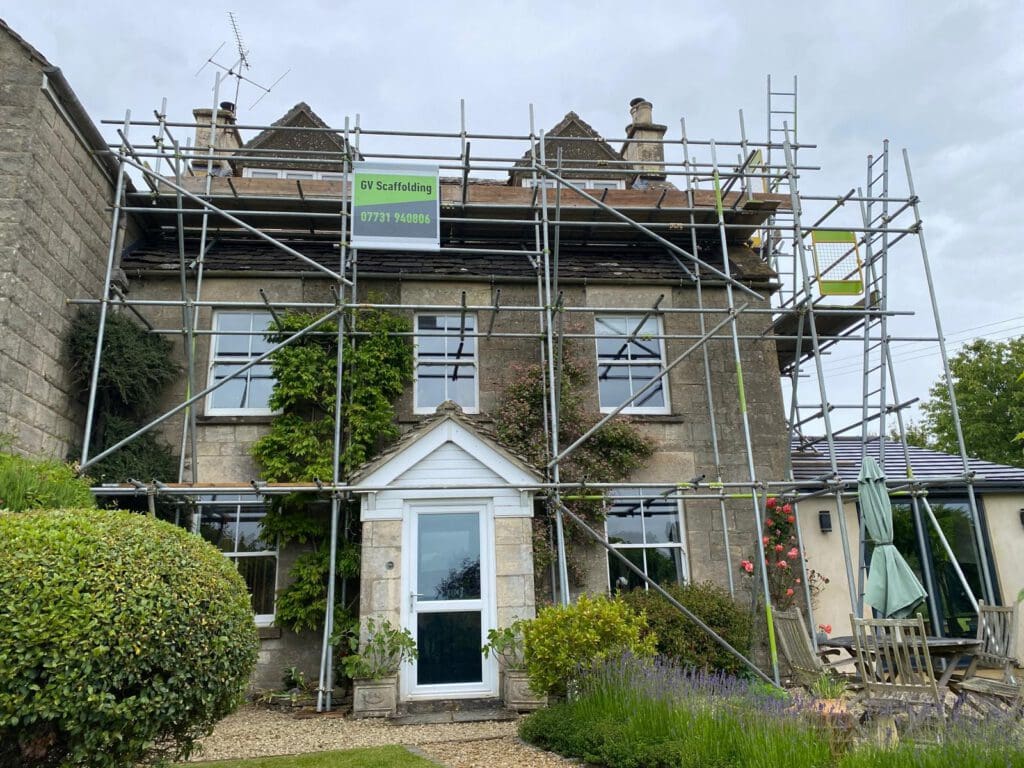
GV Scaffolding is a local scaffolder providing planned scaffolding hire for domestic and commercial projects across Cirencester, with safety considered from initial assessment through to dismantling.
How a Scaffolder Builds Safety Into the Project
Safe access begins before the first standard is erected. A scaffolder should understand the building, work being completed, intended users, required loading, ground conditions, and activity around the site before confirming the arrangement.
GV Scaffolding provides scaffolding hire across Cirencester, Tetbury, Stroud, Cheltenham, and the surrounding areas, including domestic and commercial scaffolding, temporary roofs, birdcage scaffolding, and bespoke scaffolding planned around the project.
The scaffold must be suitable for its intended purpose and remain stable throughout erection, use, agreed alteration, and dismantling. Platform levels, access routes, edge protection, ties, bracing, loading, and the movement of materials all need to reflect the work taking place.
Safety also depends on how the structure is used after installation. Clear communication with the property owner, contractor, site manager, or facilities manager helps establish inspection responsibilities, permitted loads, access arrangements, and the correct process for requesting changes.
1. Planning Scaffolding Hire Before Erection
The planning stage should identify who will use the scaffold, where they need to work, and what materials or equipment will be placed on the platforms. The site should also be reviewed for uneven ground, cellars, drains, extensions, conservatories, overhead services, public routes, and neighbouring boundaries.
These details influence the position of standards, working lifts, loading bays, access points, and ties. They also help determine if the structure can follow recognised guidance or requires project-specific calculations and drawings. Applicable TG20 guidance or approved design information should then be followed during erection.
The quotation should identify the proposed arrangement, hire period, dismantling, and any separate requirements for design work, alterations, inspections, licences, or protection measures.
2. Stable Platforms, Safe Access, and Edge Protection
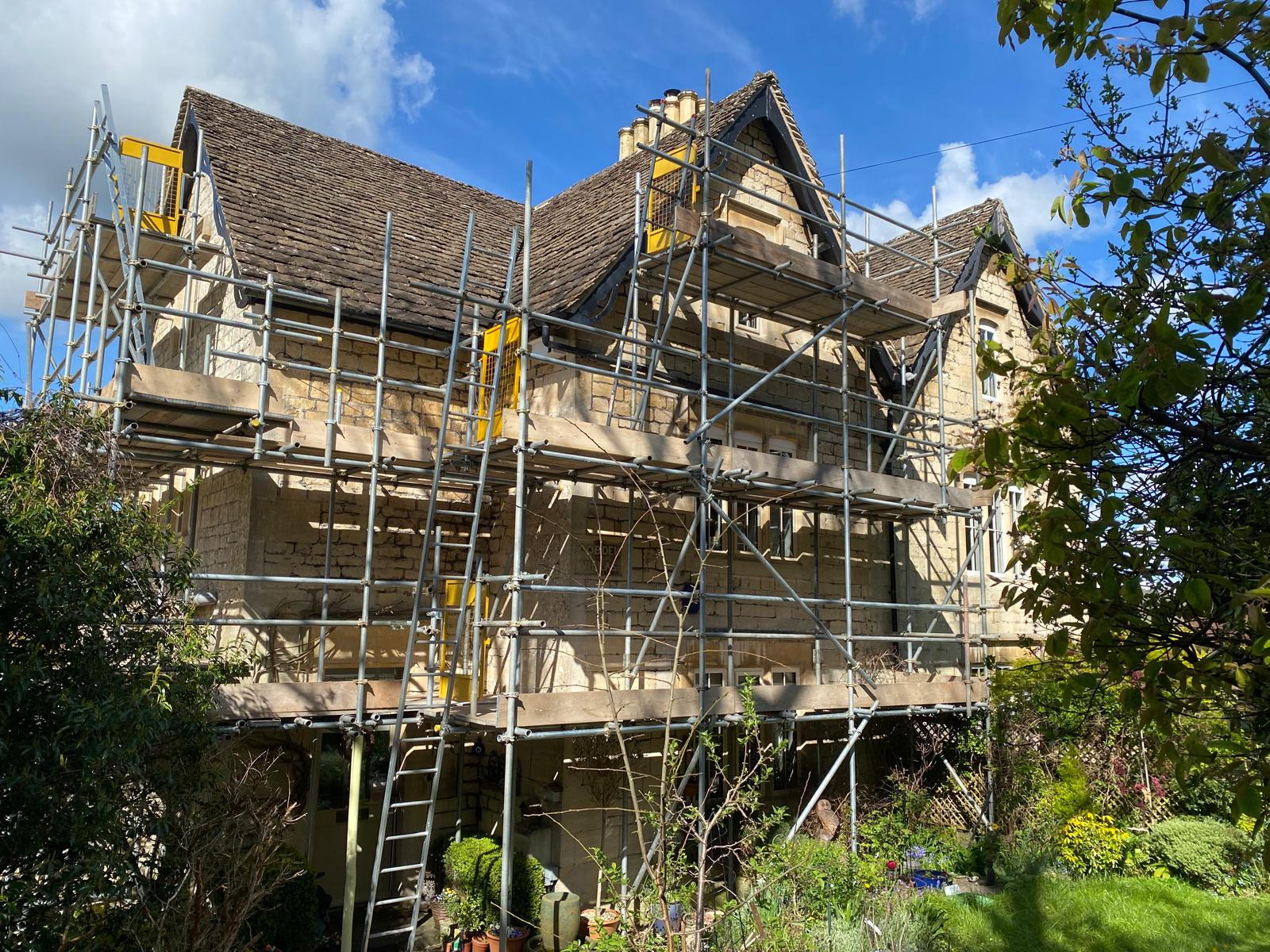
A safe working platform requires more than boards at the correct height. The supporting scaffold must be founded appropriately, adequately braced and tied, and configured for the loads it will carry. Suitable guardrails, intermediate protection, and toe boards help reduce the risk of people, tools, or materials falling from a working level.
Access should also be planned for the people using the scaffold. Ladders, staircase access, gates, and loading areas must suit the layout and intended activity. Components should not be removed or repositioned by other trades, as an unauthorised change may affect stability, edge protection, or the approved configuration.
GV Scaffolding’s experienced scaffolders can explain the intended use and how any requested alteration will be managed as the work progresses.
3. Commercial Scaffolding Around People and Premises
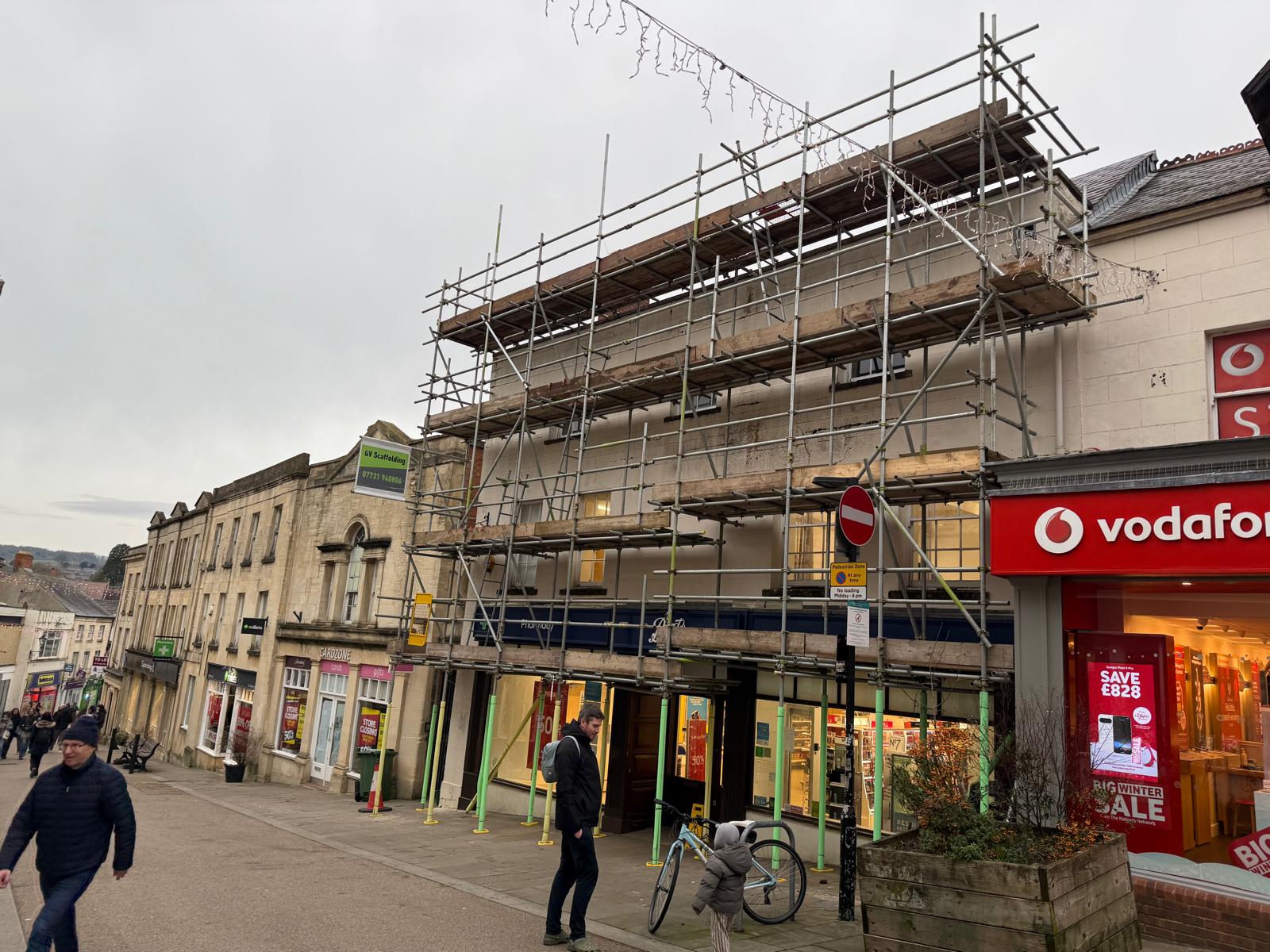
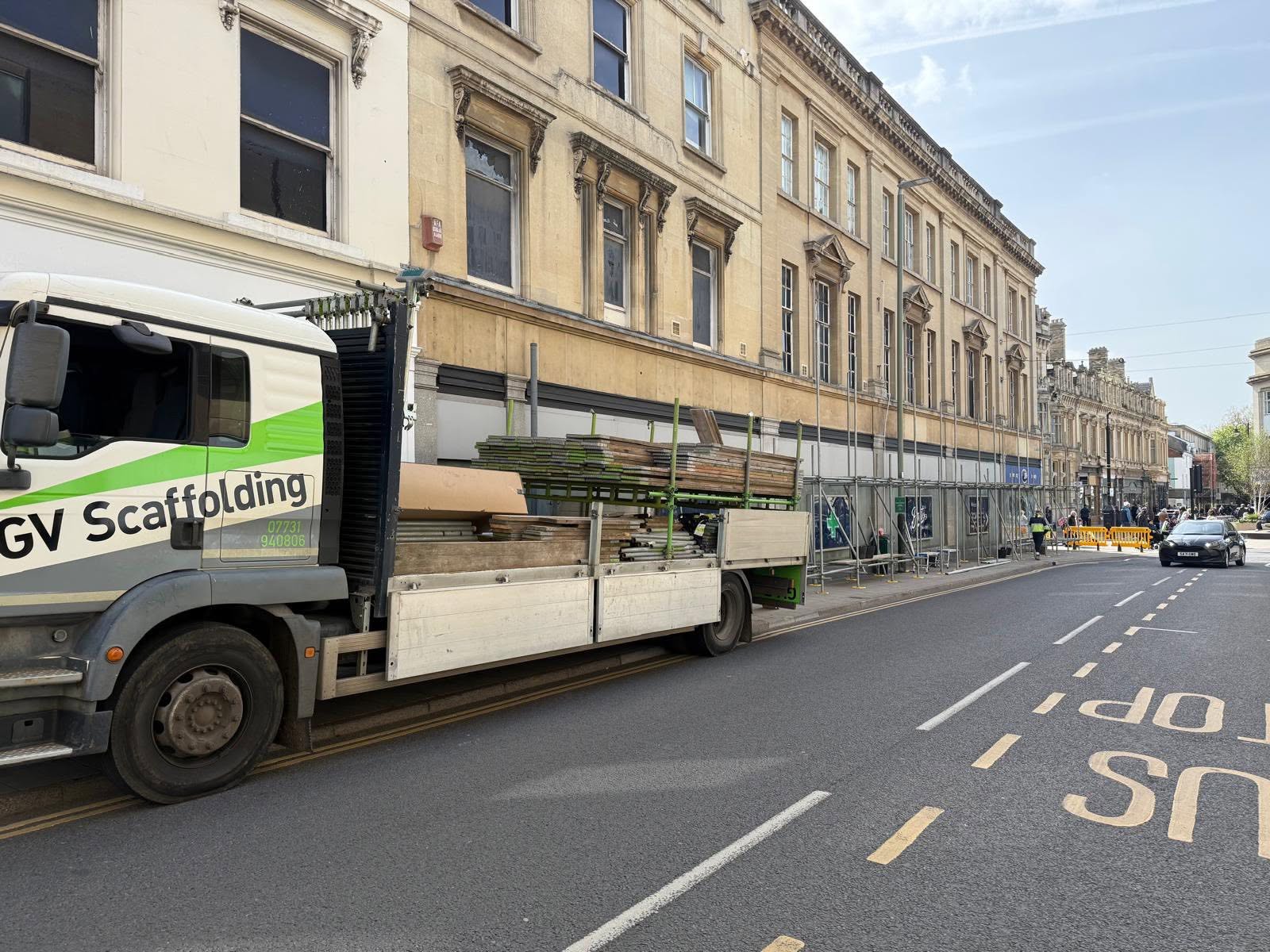
Operational properties introduce additional coordination requirements. Commercial scaffolding may need to accommodate employees, customers, residents, deliveries, emergency exits, and public access while repair, maintenance, or refurbishment continues.
The erection sequence and working hours can be discussed before work begins. Barriers, controlled access points, fans, netting, or other protective measures may be appropriate, subject to the hazard and scaffold design. Sheeting and netting can affect wind loading, so they should form part of the planned arrangement rather than being added without approval.
We can coordinate commercial scaffolding with contractors, property managers, and business owners in Cirencester so that access requirements and site activity are considered together.
4. Birdcage Scaffolding for Internal Safety
Birdcage scaffolding provides a broad platform across an internal area and is commonly used for ceilings, soffits, roof structures, decoration, electrical installation, and structural work. Its grid of standards, ledgers, and transoms distributes the working platform across the available floor area.
The floor capacity, platform height, loading, access route, and fixed obstructions must all be considered. Birdcage scaffolding can be adapted around columns, doorways, equipment, and architectural features where the layout and supporting surface allow. Larger or non-standard arrangements may require additional design input.
Internal platforms must remain subject to the same controls over access, loading, inspection, and unauthorised alteration as external structures. This is particularly important where several trades use the platform during different stages of a project.
5. Temporary Roofs and Bespoke Scaffolding
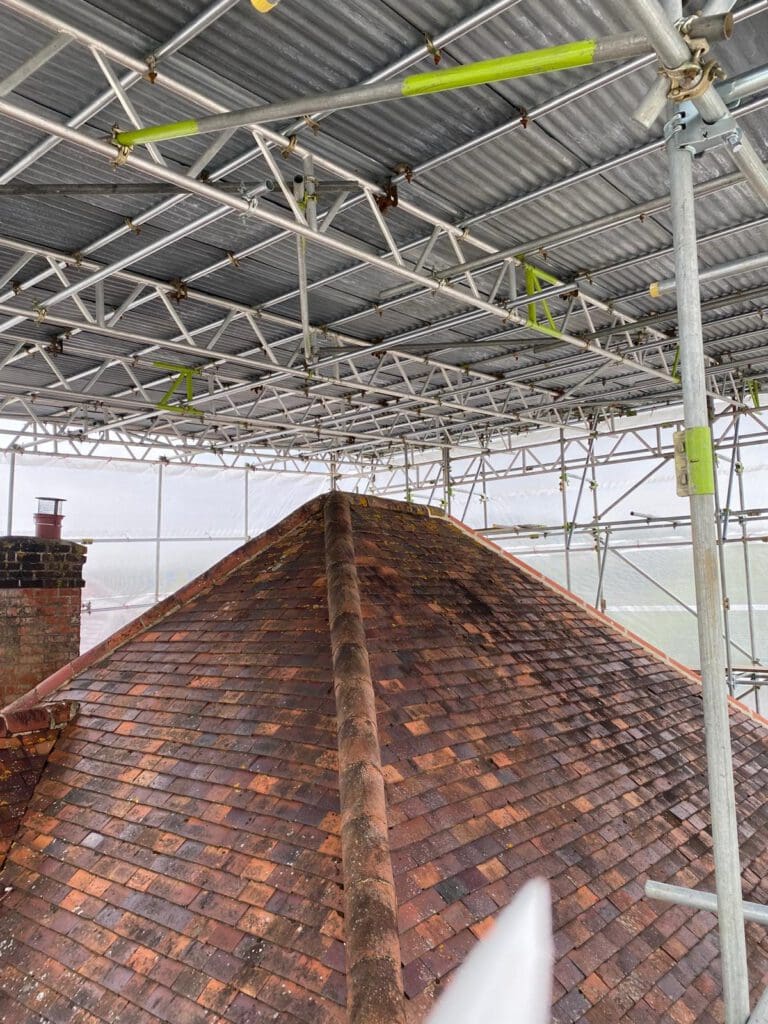
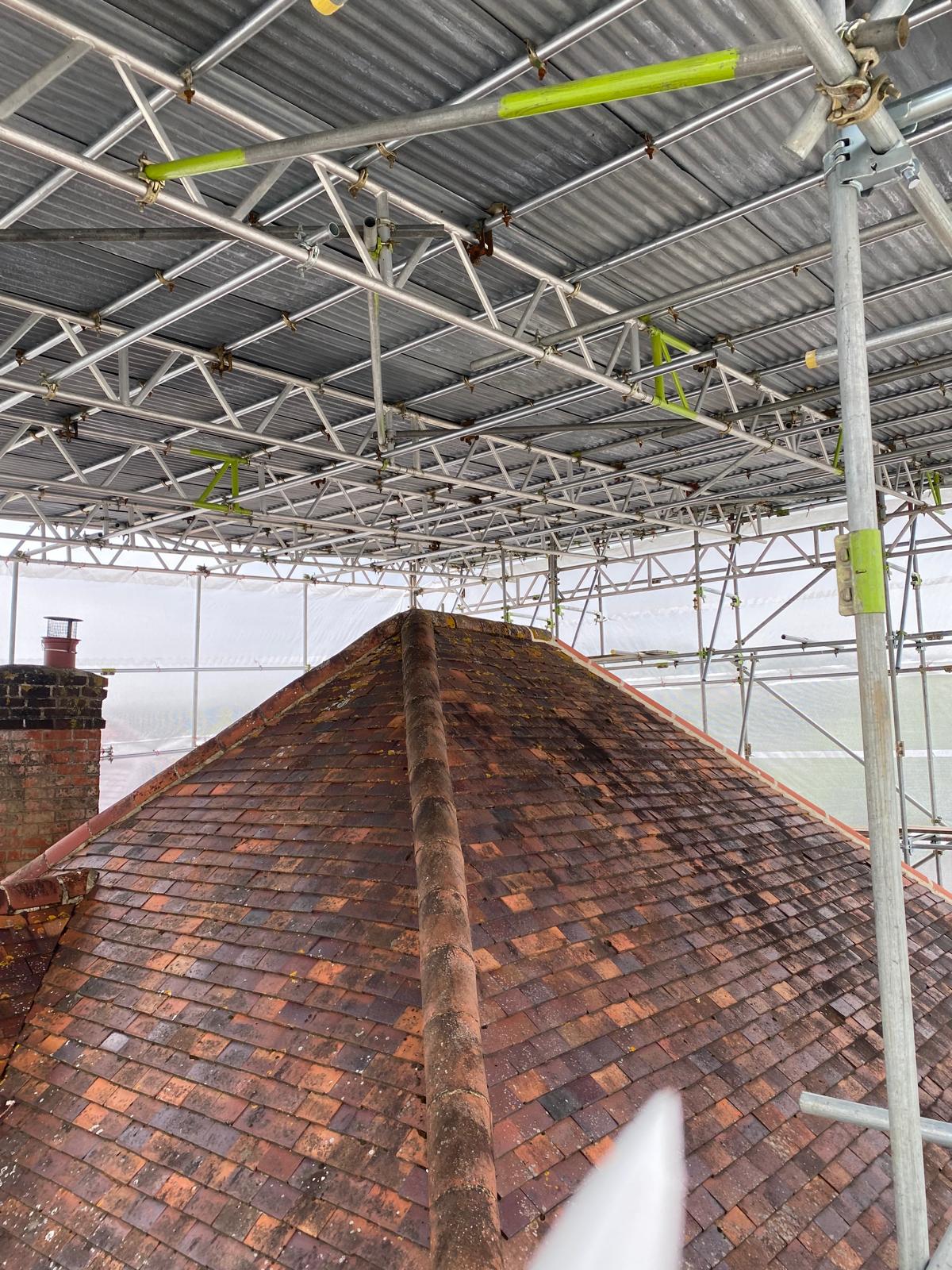
Temporary roofs protect exposed working areas during roof replacement, structural alteration, extension work, and major renovation. The covering and supporting scaffold should be planned together because the span, roof profile, wind exposure, drainage, and anticipated weather conditions all affect the structure.
Severe weather may require work to stop or the scaffold to be checked before use resumes. Temporary roofs should therefore be treated as planned structures rather than an automatic guarantee that work can continue in every condition.
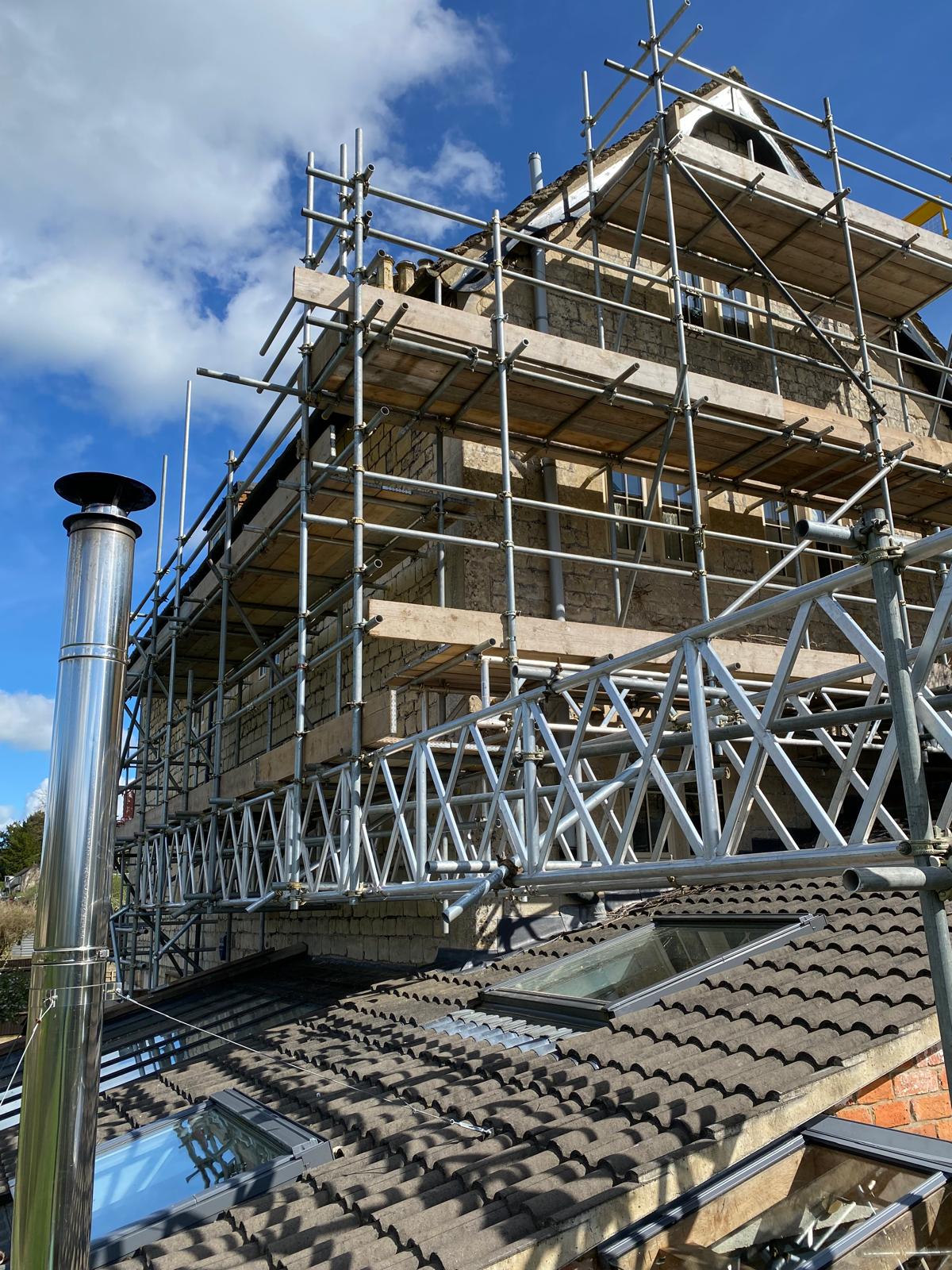
Bespoke scaffolding may be required for curved elevations, restricted support positions, fragile features, bridges, historic properties, or unusual loading. Where a recognised configuration is unsuitable, the required calculations, drawings, and erection information should be coordinated before installation. GV Scaffolding plans bespoke scaffolding around the building and practical needs of the trades involved.
6. Inspections and Safe Use Throughout the Hire Period
Scaffolds used for construction work should be inspected before first use, at least every seven days, and after substantial alterations or circumstances that could affect safety. Findings should be recorded and communicated so that defects can be addressed before the affected structure is used again.
Inspection does not replace responsible everyday use. Materials should remain within the agreed loading limits, access routes should be kept clear, and requested changes should be completed through the agreed scaffolding hire process. Each structure must remain consistent with its intended purpose and relevant design information.
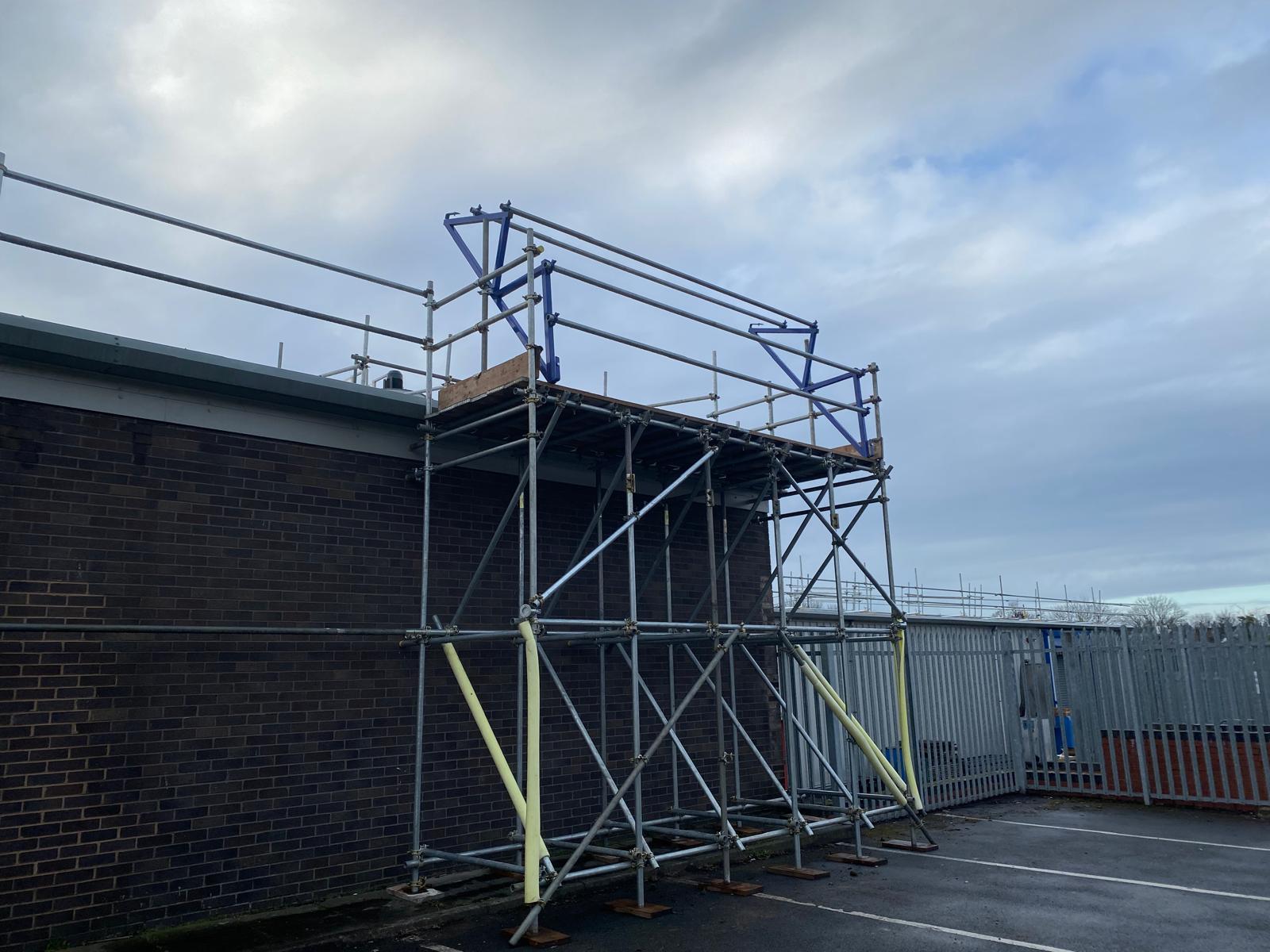
Call Us Today for Scaffolding Services in Cirencester
For scaffolding hire in Cirencester, contact GV Scaffolding on 07731 940806. Your local scaffolder can assess the site and recommend commercial scaffolding, temporary roofs, birdcage scaffolding, or bespoke scaffolding suited to the proposed work.